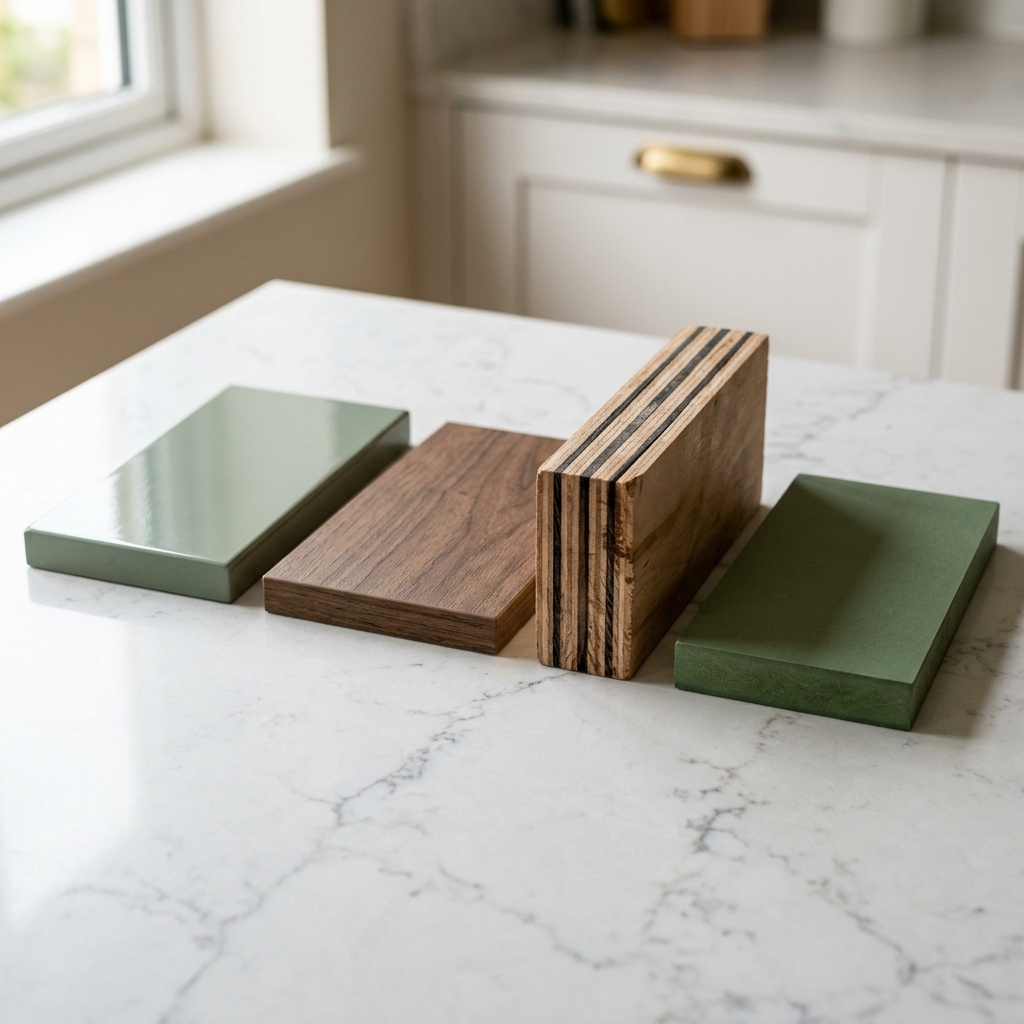
Should You Install a Modular Kitchen in a Rented Home?
Ammon Marketing
Authorized Kutchina Dealer · Ranchi
02 Jul 2026
~ read
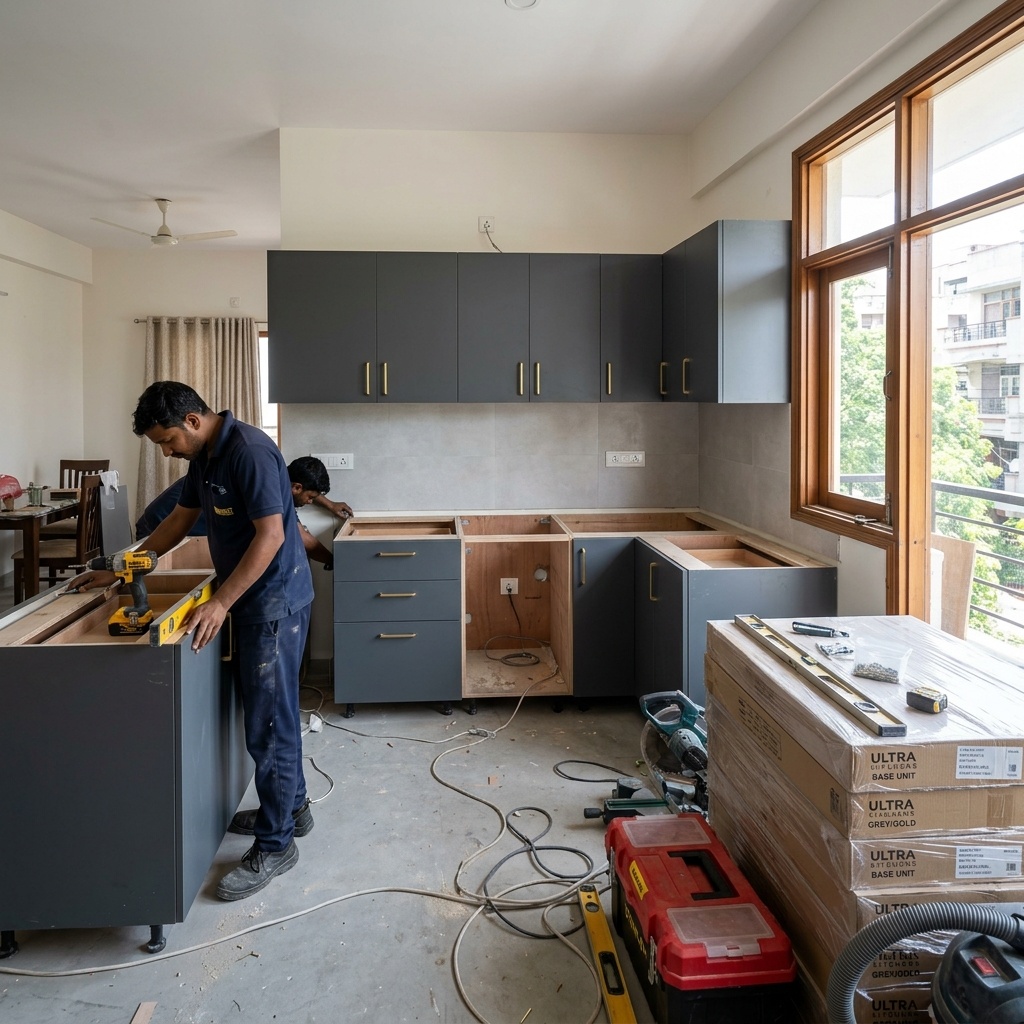
TL;DR
- Generally not worth installing a full modular kitchen in a rented home — you cannot take it with you easily and risk losing it when you move
- If your lease is 3+ years and your landlord agrees in writing to allow the installation (and ideally compensate on exit or deduct from deposit), it can make sense
- Modular kitchens are theoretically removable but re-installation cost is 30–50% of the original cost — rarely practical
- Better alternatives: kitchen trolley, countertop upgrade, or semi-permanent improvements your landlord will approve
Quick Answer:For most renters, a full modular kitchen is not a wise investment. The kitchen stays with the house when you move — you don't take it with you. However, if you are in a long-term rental (3–5+ years) with a cooperative landlord and can negotiate a formal agreement, the daily comfort improvement may justify the cost. Always get written landlord permission and a clear exit clause before spending ₹1.5–₹3 lakh on a rented property.
The Core Problem: You Can't Easily Take It With You
A modular kitchen is called "modular" because the cabinets are in individual modules — theoretically removable. But in practice:
- Cabinets are wall-mounted using channel brackets screwed into the wall — removal leaves holes and damage that must be repaired
- Countertops are cut to exact dimensions and silicone-sealed — removing them often damages both the countertop and the cabinets below
- Re-installation at a new address costs 30–50% of the original kitchen cost (new measurements, re-cutting, re-fitting, new plumbing connections)
- If your new home has different kitchen dimensions (almost certain), many modules won't fit without modification
The theoretical portability of modular kitchens rarely translates to practical portability. Most renters who install a modular kitchen leave it behind when they move.
When It Does Make Sense to Install in a Rented Home
| Factor | Proceed | Don't Proceed |
|---|---|---|
| Lease length | ✓ 3+ years remaining on current lease | ✗ Under 2 years — move before ROI |
| Landlord agreement | ✓ Written permission + exit clause (keep or compensate) | ✗ Verbal only, or landlord unclear / unresponsive |
| Ownership plans | ✓ Planning to buy this property in 2–3 years | ✗ No path to ownership, will definitely move |
| Alternative options | ✓ Existing kitchen is genuinely unusable (no counter space, no storage) | ✗ Existing kitchen is functional — discomfort only, not dysfunction |
| Budget recovery | ✓ Can negotiate rent reduction or deposit credit for improvement | ✗ Full sunk cost with no recovery on exit |
Smarter Alternatives for Renters
| Alternative | Cost | Portable? | Best For |
|---|---|---|---|
| Kitchen trolley / cart | ₹5,000–₹25,000 | Yes — on wheels | Adding counter space and storage without any wall work |
| Freestanding storage rack (steel) | ₹3,000–₹15,000 | Yes | Pantry and vessel storage without built-in cabinets |
| Portable countertop upgrade (butcher block or slab on existing base) | ₹8,000–₹25,000 | Partially | Better countertop surface without replacing the whole kitchen |
| Over-sink drying rack + wall-mounted hooks | ₹2,000–₹8,000 | Yes | Small counter space optimisation |
| Chimney (standalone or wall-mount) | ₹8,000–₹20,000 | Yes (take with you) | Better cooking ventilation — can be removed and reinstalled |
If You Do Decide to Proceed: Protect Yourself
Before spending any money, get in writing from your landlord:
- Explicit permission to install the modular kitchen (wall drilling, plumbing modifications)
- Whether the kitchen stays with the property on exit or you can remove it
- If it stays: whether the landlord will compensate you (money or rent reduction) or deduct from security deposit recovery
- Clause that you are not liable for wall damage caused by removal if you choose to take it
Without a written agreement, you have no legal claim to the kitchen you paid for if the landlord decides to keep it on exit. Verbal agreements about kitchen fixtures rarely hold up in disputes.
Frequently Asked Questions
Can I install a modular kitchen in a rented apartment?
Legally, you can if your landlord permits it. Most rental agreements require landlord consent for any structural modifications or permanent fixtures — and a modular kitchen (wall mounting, plumbing changes) qualifies as both. Get explicit written permission from your landlord before booking. Without it, you risk eviction or being required to restore the kitchen to its original state at your expense when you move.
Is a modular kitchen portable — can I take it when I move?
Technically yes; practically, rarely. Modules can be removed and reinstalled, but re-installation typically costs 30–50% of the original kitchen cost (new measurements, re-cutting panels that don't fit the new kitchen size, new plumbing connections, wall repair at old property). Most renters find it more cost-effective to leave the kitchen behind and factor that into the overall cost of the decision.
What should I do instead of a full modular kitchen in a rented home?
Better renter alternatives: (1) Kitchen trolley on wheels (₹5,000–₹25,000) — adds counter and storage space, fully portable, (2) Freestanding steel shelving for pantry storage, (3) Portable chimney / range hood if cooking ventilation is the primary issue, (4) Over-sink drying rack and wall-mounted hooks for small space organisation. These give meaningful kitchen improvement at a fraction of the cost and leave with you when you move.
What if I'm planning to buy this rented property?
If you're in serious discussions to buy the property you're renting (common in Indian cities where landlords sell to tenants), a modular kitchen installation can make sense — it adds value to the property, improves your daily life while you rent, and becomes your property when you buy. Confirm the purchase intent and timeline with the landlord before investing, and get any purchase-intent discussions in writing.
Can I negotiate with my landlord to share the modular kitchen cost?
Yes — this is a reasonable negotiation in many cases. A modular kitchen increases the rental value and resale value of the property. A landlord who benefits from a ₹2.5L kitchen at your expense may be willing to: reduce rent by ₹2,000–₹3,000/month for the remaining lease, deduct a portion from your deposit return obligation, or co-invest 30–50% of the kitchen cost. Frame it as a property improvement discussion, not just a comfort request.
What is the minimum spend that makes sense for a rented kitchen?
If you have landlord permission and a 3+ year lease, a budget of ₹1.5–₹2 lakh for a basic but quality modular kitchen (HDHMR or BWMR carcass, laminate finish, essential accessories) is the minimum that delivers meaningful long-term value. Below ₹1.5 lakh, you risk particle board that fails in 5–7 years — giving you even less time to recover the investment before moving. Alternatively, spend ₹25,000–₹60,000 on renter-friendly alternatives that you keep on exit.
Does a modular kitchen increase rent value?
Yes, a well-installed modular kitchen typically increases the rental premium of an apartment by ₹2,000–₹5,000 per month in Ranchi and similar Tier 2 cities. If you're the tenant paying for it, you don't benefit from this unless your landlord lowers your rent as part of the agreement. The rental premium benefit goes to the landlord (or to you if you own the property) — this is one reason to negotiate with the landlord about cost sharing.
What happens to the modular kitchen when I vacate?
Unless your rental agreement or a separate written agreement specifies otherwise, fixtures permanently attached to a rented property (including a modular kitchen screwed to the walls) are considered part of the property and stay when you vacate. This is the core risk of investing in a modular kitchen for a rented home without a clear written exit clause. Negotiating the exit terms before installation — not after — is the most important step.
Key Takeaways
- A full modular kitchen in a rented home is rarely a good investment — the kitchen stays with the property and portable alternatives often serve renters better
- If you proceed: get written landlord permission and a clear exit clause (keep or compensate) before spending any money
- 3+ year lease + cooperative landlord + possibly buying the property = the conditions where a modular kitchen investment can make sense
- Renter-friendly alternatives (kitchen trolley, freestanding shelving, portable chimney) give meaningful improvement at a fraction of the cost — and leave with you
- Negotiate cost-sharing with the landlord — a kitchen improves their property's rental and resale value and they may contribute
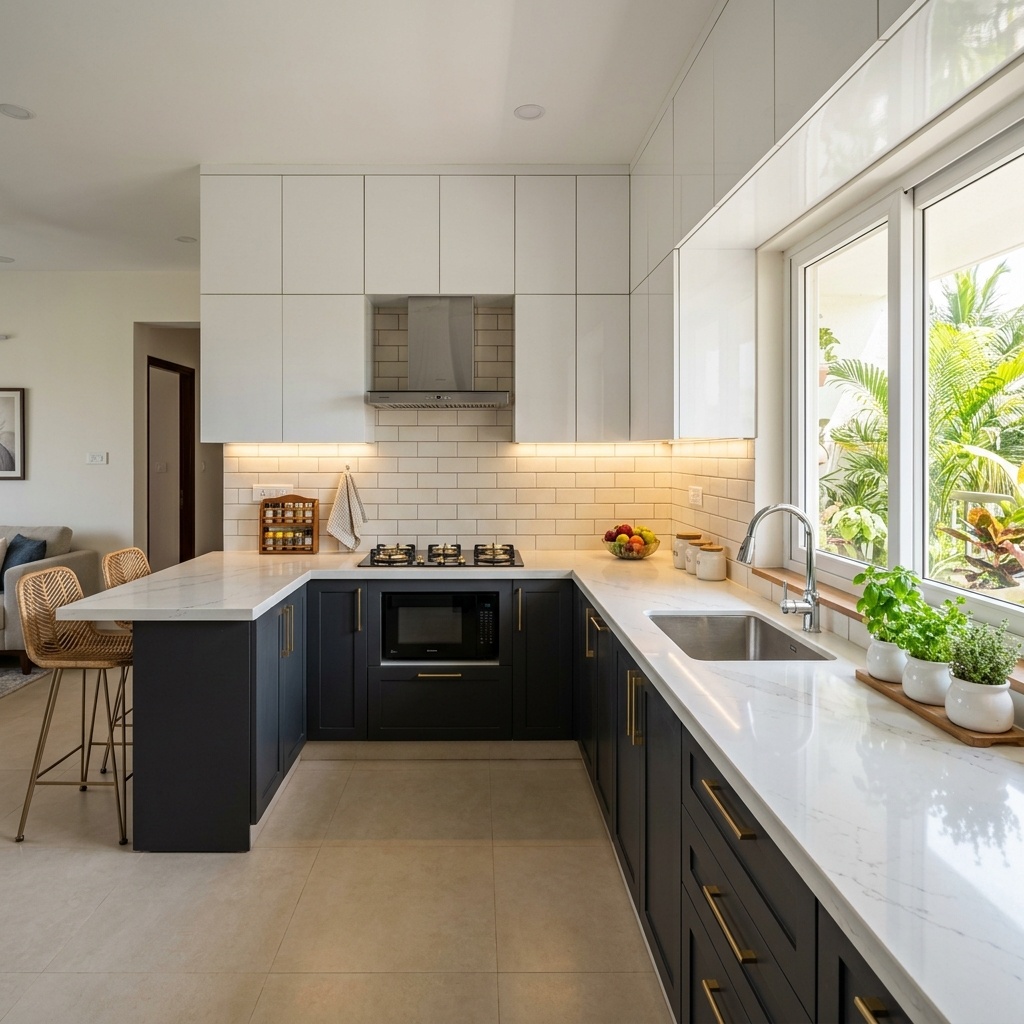
See These Ideas in Real Homes


Free · No Obligation
Talk to Our Design Experts
Ammon Marketing Editorial Team
Authorized Kutchina Dealer · Ranchi · Est. 2014
Our guides are written by Ranchi-based kitchen designers and appliance experts with 10+ years of on-the-ground experience. Every recommendation is based on real projects completed in Jharkhand homes — not generic advice from outside the region.